

Brainspotting and the Body: What the Bible Already Knew About Trauma Living in Us
"My bones waste away through my groaning." That's not a line from a trauma textbook. That's King David, in Psalm 32:3, describing what it physically felt like to carry unspoken pain.
Long before modern neuroscience had language for it, Scripture already understood something we now treat clinically: trauma doesn't just live in our memories. It lives in our bodies.

Is ACT Compatible with Faith? Accepting What Is Without Giving Up Hope
In ACT, acceptance doesn't mean liking your pain, agreeing that it should be there, or abandoning hope that things can change. It means dropping the exhausting, often fruitless fight against the reality of what you're currently experiencing — your anxiety, your grief, your circumstance — so that you have energy left to actually move toward the life you want, instead of spending all your strength resisting what's already true in this moment.

Where IFS Meets Scripture: Befriending Your Parts Without Shame
If you've started therapy and heard the word "parts" for the first time, you might have felt a flicker of unease. Parts? Like I'm not whole? Like I'm fractured, or somehow not who God made me to be?

Reclaiming Your Story as a Christian: Therapy Isn't a Lack of Faith
God is fully capable of instantaneous healing. He is also, throughout Scripture, consistently a God who works through people, time, wisdom, and process. A good physician, a wise counselor, a faithful friend — these aren't substitutes for God's work. They are often how God's work happens.

What If You Stopped Fighting Your Feelings - and Finally Found Peace?
Acceptance and Commitment Therapy — ACT (said as one word, like "act") — invites you to do something that might sound strange at first: stop fighting your feelings and start building a life that matters anyway.
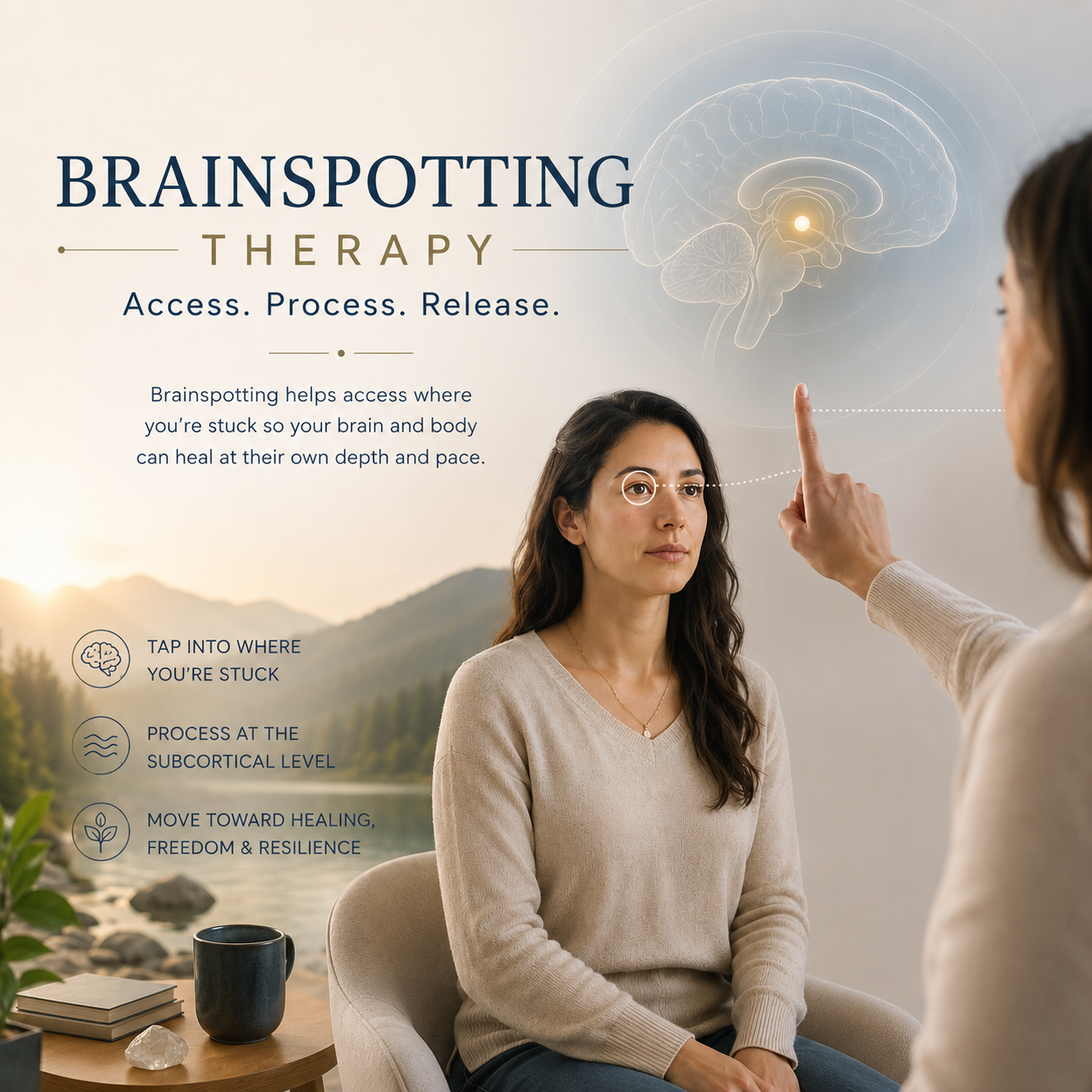
When Words Aren't Enough: How Brainspotting Helps You Move Through the Stuck Places
Traditional talk therapy engages primarily the cognitive, language-based parts of the brain. And that's enormously valuable. But trauma often lives below the language centers — in the subcortical brain, the nervous system, the body itself. This is why so many people can articulate their experiences clearly and still not feel better.
Brainspotting works differently. It engages what Dr. Grand calls the "deep brain" — the subcortical and midbrain regions where trauma, emotion, and somatic experience are stored. It does this through a deceptively simple mechanism: eye position.

What Is the Fawn Response? And Why It’s Not Who You are.
The fawn response almost always has roots in early experience. It develops when, as children, we learn that expressing our needs, opinions, or authentic selves leads to something painful — a parent's anger, withdrawal of love, conflict that felt dangerous, an environment where being "easy" was the only way to stay safe.

The Fine Art of Fawning: When “Yes” Becomes Your Default Setting
Psychologically speaking, fawning is a trauma response where we attempt to avoid conflict or harm by appeasing others. Dr. Pete Walker, who identified fawn as the fourth trauma response, explains that fawning develops when fighting, fleeing, or freezing won't keep us safe. So instead, we become expert observers, constantly scanning for what others want and need, while our own desires quietly fade into the background.

How to Set Boundaries Without Feeling Guilty (Yes, You Can Say No)
Most of us were raised to be helpful, accommodating, and available—basically human doormats with good manners. We learned that being "good" meant putting everyone else's needs before our own. Add in a sprinkle of people-pleasing tendencies and a dash of fear that everyone will hate us forever, and boom: you're staying at a party you hate, helping someone move for the third time this month, and wondering why you're exhausted.
The guilt comes from a belief that our needs matter less than other people's comfort. Spoiler alert: they don't.
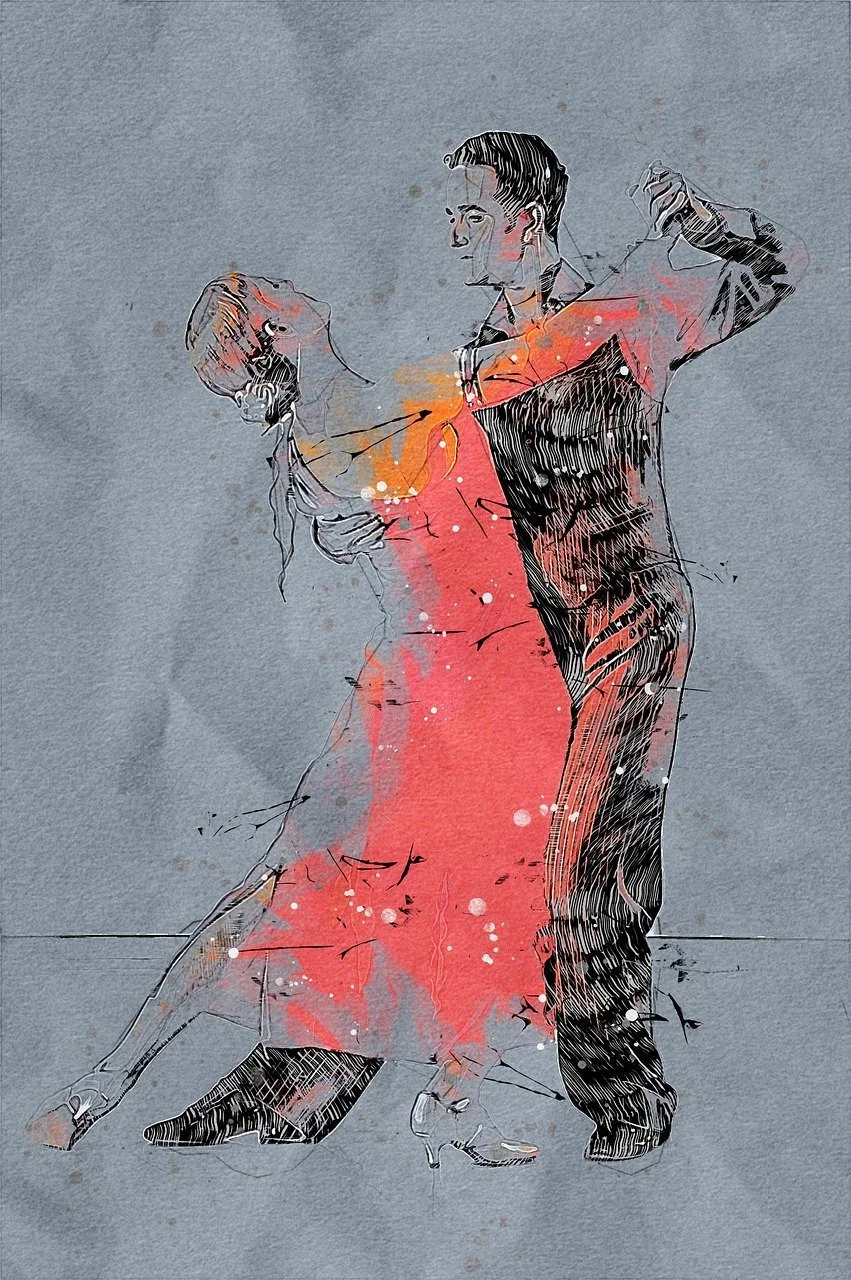
The Relationship Dance: Breaking Free from the Toxic Tango
Picture this: You and your partner are locked in what looks like the world's most awkward dance. One of you is desperately trying to get closer while the other is backing away like they're being chased by a particularly aggressive salesperson. Welcome to the relationship dance – where nobody remembers who started the music, but everyone's tired of the same old song.